
 English
 Ελληνικά


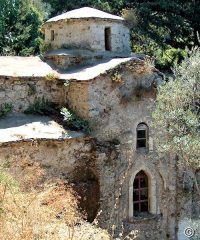
the most important and best preserved Byzantine monument of Samos. External masonry betrays influences from the art of Constantinople …

Metamorfosis Sotiros at Pythagoreion, it has an excellent marble iconostasis and pulpit of early 20 century, is also designated historical listed monument …..

Paleontological, Rocks and Minerals, sea life, Botanological, Zoological
The Exhibitions includes five departments, Paleontological, Zoological, Rocks and Minerals, marine life, Botanological, which are further supported by similar laboratories.
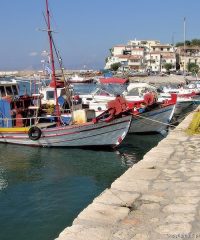
Is in the sothwestern part of the island, just 4,5 km from Marathokampo village and 16,5 Km from Karlovasi. Administratively belongs to the “municipal community of Marathokampos”

is another monument of Samos with remarkable frescoes dating from the 17th century

is a rare a Byzantine ecclesiastical monument, the history of which dates back to the 8th century AD.
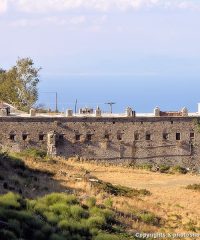
Since 1566, the oldest in the island
The monastery of Panagia Vronda (Greek Παναγία Βροντά = Virgin peal) or Vrodiani or “Kokkariani”, was founded in 1566 by the monks Iakovos and Makarios which was seeking to find a quiet place for their spiritual uplift.
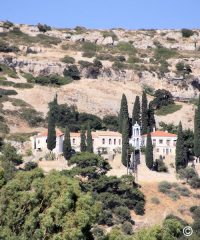
The history of the cave begins from the ancient times, since there are indications that in the cave lived the Samian Sibyl “Phyto” (Sibyl where a women in trance who prophesied the future). In the Byzantine years and then the same cave…
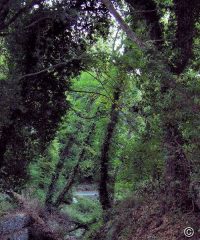
A forest of agelong, towering plane trees, with the melody of nightingales.
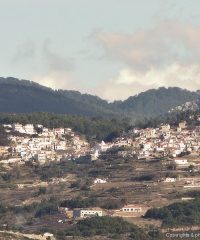
Τhe Aegean sea at your feet
Platanos is located at the center of the island. Lying at the west foot of “Ambelos” (or Karvounis) mountain, 11 km distance, south from Karlovasi, with excellent north, south, west views to Aegean sea and to the island of Samos.


